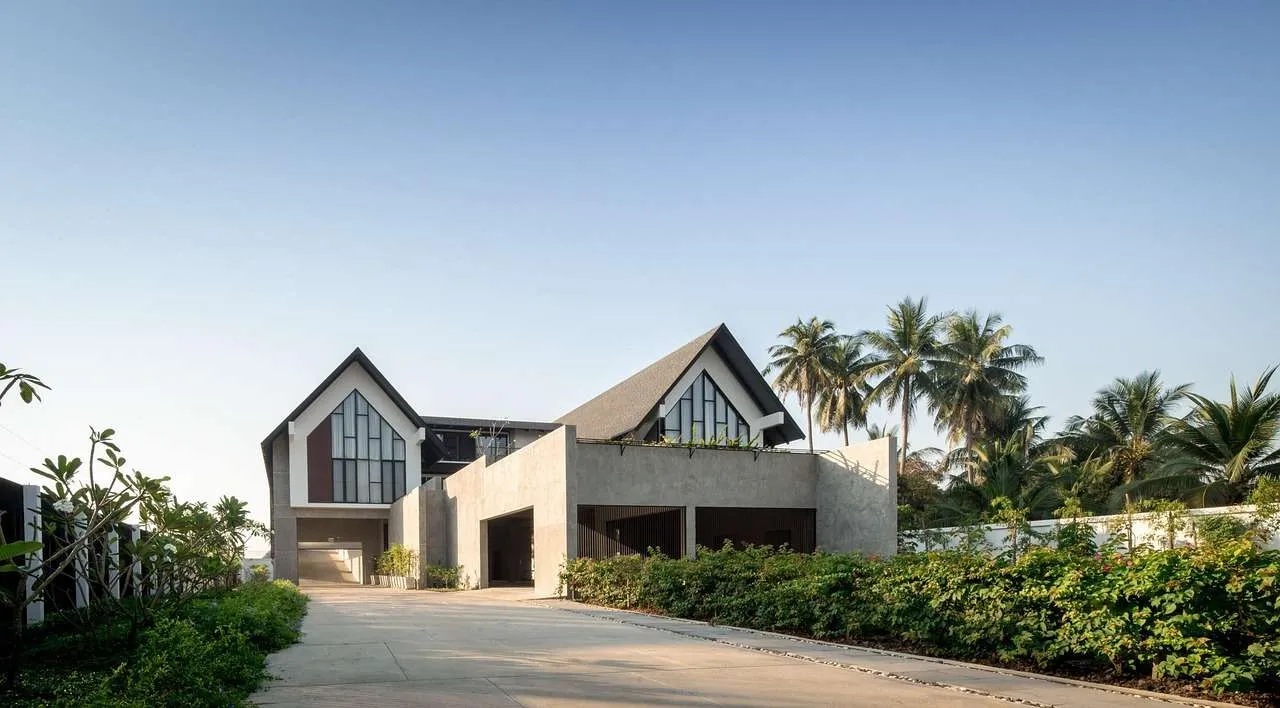
What is TPO Roofing?
TPO stands for thermoplastic polyolefin, a single-ply roofing membrane widely used on flat and low-slope roofs. The material is heat-welded at seams, creating a durable, seamless waterproof layer. TPO membranes are typically white or light-colored to reflect sunlight, helping to reduce cooling costs in hot weather. Popular thicknesses include 45 mil, 60 mil, and 80 mil, with the choice depending on climate, foot traffic, and substrate condition.
Why TPO Roofing Is Popular for Flat Roofs
For commercial and residential flat roofs, TPO offers a balance of affordability, ease of installation, and performance. Its reflective surface contributes to lower energy bills and a cooler building interior. The material is also relatively lightweight and flexible, allowing for installation on complex roof shapes. When installed by trained professionals, TPO membranes provide reliable watertight seals across thousands of seams.
Key Benefits
- High reflectivity reduces cooling costs and helps with energy efficiency
- Lower material and installation costs compared with some alternatives
- Lightweight and flexible, suitable for various roof geometries
- Weldable seams create watertight joints when installed by certified crews
- Color options and recycled content support green building goals
Limitations and Considerations
Like any roof membrane, TPO relies on quality installation. Weak or poorly welded seams can lead to leaks, especially in freezing or high-wind environments. Choose a reputable contractor with manufacturer certification and a track record of flat-roof projects. Temperature during installation and substrate cleanliness also affect seam strength and longevity.
Durability, Maintenance, and Warranties
TPO is designed for durability in many climates. Typical warranties range from 10 to 20 years, with some manufacturers offering longer terms for higher thicknesses. Routine maintenance is minimal: inspect annually, clean debris from drains, and repair punctures or seam damage promptly. Periodic roof inspections after severe weather can catch issues before leaks develop. If you have tall trees nearby, ensure branches do not abrade the membrane; use protective flashings where needed.
Installation, Costs, and Lifespan
Installed cost for TPO membranes generally falls between 5 and 8 per square foot, depending on thickness, insulation, substrate, and location. A well-installed TPO system typically lasts 15 to 20 years, and often longer with regular maintenance and proper care. Reflectivity and long-term energy savings can improve the return on investment, particularly on commercial buildings with large roof areas and high cooling loads.
Compare TPO with Other Membranes
| Material | Lifespan | Installed Cost per Sq Ft | Reflectivity | Installation | Pros | Cons |
|---|---|---|---|---|---|---|
| TPO | 15-20+ years | 5-8 | High | Moderate | Energy efficient, cost effective | Seam integrity relies on skilled welding |
| EPDM | 20-30 years | 4-7 | Low-Moderate | Easy | Durable, affordable, simple repairs | Lower reflectivity, limited color options |
| PVC | 20-30 years | 6-9 | Very High | Complex | Excellent chemical resistance, high reflectivity | Higher cost, environmental considerations |
Choosing a TPO Roofing Contractor
Always select installers with manufacturer certification, clear references, and proof of completed projects. Ask about warranties, maintenance plans, and post-installation testing such as seam or adhesion verification. Local climate, building codes, and roof design should influence the installation method—mechanically attached, fully adhered, or ballasted systems each have pros and cons.
Conclusion
Conclusion, TPO delivers a balance of energy efficiency, cost, and durability for flat and low-slope roofs. With proper installation by certified crews, quality materials, and regular inspection, a TPO system can offer reliable performance and a solid return on investment compared with other membranes.