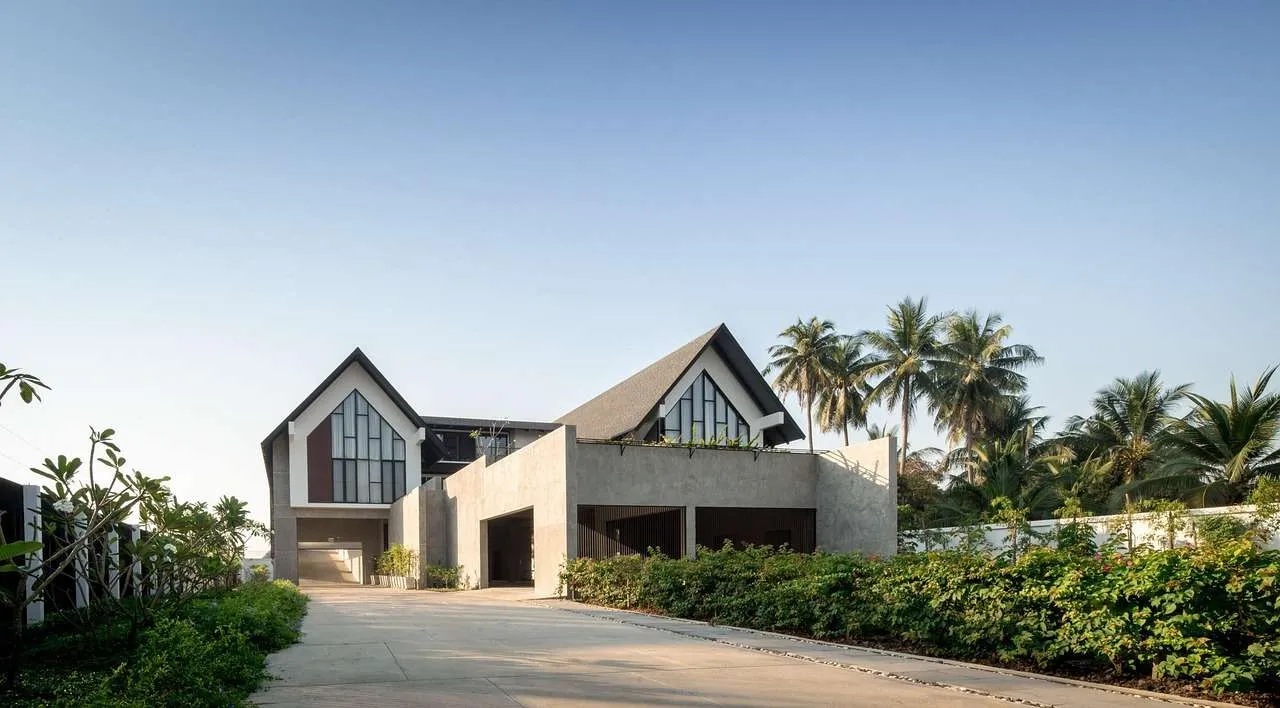
Repair of roofing is a critical home maintenance task that protects living spaces and preserves property value. A well-executed roof repair minimizes water intrusion, extends the life of shingles, and reduces the risk of secondary damage. This guide provides expert, practical advice on identifying issues, choosing between DIY and professional options, and completing safe, durable repairs.
Understanding when repair is needed
Not every leak or damaged shingle requires a full roof replacement. Small leaks, minor flashing deterioration, or isolated damaged shingles can often be addressed with targeted repair of roofing. Key indicators include damp spots inside the attic after rain, missing granules on shingles, and visible gaps at the roof edge. If damage is extensive, or if structural components like rafters are compromised, a repair may be insufficient and replacement may be more cost-effective in the long run.
Common causes of roof damage
Roofing systems face a range of threats, including weather, age, and installation quality. Common causes of damage include:
- Wind uplift that lifts shingles and exposes underlayment
- Shingle wear from sun exposure and freeze–thaw cycles
- Damaged flashing around chimneys, vents, and skylights
- Debris buildup that traps water or abrades surface
- Poor attic ventilation leading to moisture accumulation
When to repair vs replace
Assess the scope of damage, the roof's age, and the local climate. If more than 30–40 percent of a roof surface is compromised, or if a repair would require frequent follow-ups, replacement may provide greater value. For aging roofs with multiple minor leaks, targeted repairs can buy time while you plan a longer-term replacement.
Tools, safety, and preparation
Before any repair of roofing, gather essential tools and observe safety practices. Use a sturdy ladder, fall protection if working on a steep slope, and non-slip footwear. Have silicone sealant, roofing cement, a putty knife, replacement shingles or flashing, nails, and a pry bar on hand. If you are uncomfortable with heights or the roof deck shows signs of rot, hire a professional.
How to perform a basic repair for a small leak
For minor leaks near flashing or around joints, a conservative repair can stop water intrusion. Steps include:
- Identify the leak source by inspecting from the attic with a flashlight during rain.
- Clean the area and remove loose granules or deteriorated sealant.
- Apply flashing repair or sealant, sealing the joints with roofing cement.
- Secure any loose shingles with nails below the shingle line and seal the heads.
- Test with gentle rain or a hose to confirm the fix, then monitor the area after the next rainstorm.
Choosing a professional for repair of roofing
For complex leaks, damaged whole sections, or high/steep roofs, a licensed roofer offers expertise, proper safety, and warranties. Request credentials, proof of insurance, and previous project references. A professional will assess ventilation, underlayment, flashing, and structural elements, ensuring a durable repair rather than a temporary fix.
Cost factors and budgeting
Repair costs depend on material, extent, labor, and access. Minor leaks may cost a few hundred dollars, while more extensive flashing repairs or shingle replacement can exceed a thousand dollars. Emergent problems after storms or water damage may require additional work such as underlayment replacement. Always obtain written estimates and consider the value of a warranty.
Maintenance tips to extend roof life
Proactive care reduces the frequency of repair of roofing. Schedule annual inspections, keep gutters clear, trim overhanging branches, and ensure attic insulation and ventilation prevent excess moisture. Address moss or algae growth promptly and maintain flashing seals around vents and contact points with chimneys.
DIY vs Professional repair: Comparison
| Aspect | DIY | Professional |
|---|---|---|
| Cost | Lower upfront | Higher upfront |
| Quality control | Variable results | Consistent workmanship and warranty |
| Time and disruption | Longer pace, more activity on roof | Faster completion with less disruption |
| Safety | Greater risk, falls or injuries possible | Lower risk with fall protection and training |
| Warranty | Usually none | Warranty on labor and materials |
Conclusion, repairing the roof demands a balance of knowledge, appropriate materials, and clear judgment about safety and cost. By assessing damage, choosing the right approach, and following best practices for maintenance, homeowners can protect their property and extend the life of their roof.