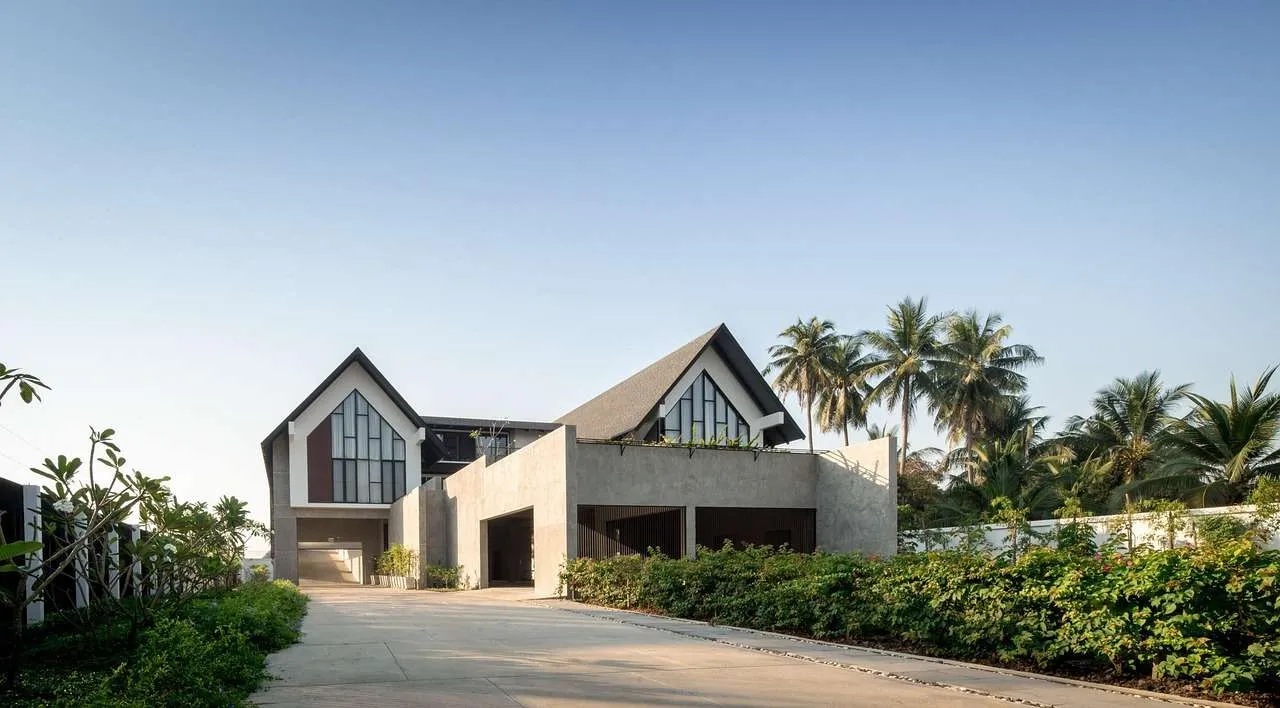
Introduction: Why Roofing and Roof Repairs Matter
Your roof is the first line of defense against weather, temperature shifts, and moisture intrusion. Understanding the basics of roofing and roof repairs helps homeowners protect their investment, maintain energy efficiency, and avoid costly damage. This guide explains common issues, decision criteria for repairs versus replacement, how to choose a qualified contractor, and practical maintenance tips to extend roof life.
Understanding Roofing and Roof Repairs
Roofing refers to the entire system that shields your home, including shingles or panels, underlayment, flashing, ventilation, and gutters. Roof repairs are targeted fixes to address leaks, damaged components, or weak spots. Regular inspections identify problems early, enabling timely repairs that preserve the roof’s integrity and prevent cascading damage to interiors, insulation, and framing.
Common Roofing Problems
Leaks and Moisture Ingress
Leaky roofs often result from damaged flashing, worn shingles, or compromised underlayment. Prompt repairs prevent water intrusion that can lead to mold and structural decay.
Missing or Damaged Shingles
Wind or hail can lift or crack shingles, exposing underlayment and increasing the risk of leaks and energy loss.
Ventilation and Ice Dams
Poor attic ventilation traps heat, causing ice dams in winter and accelerated aging of roofing materials. Proper ventilation and insulation reduce these risks.
Flashing and gutter Issues
Damaged flashing around chimneys, vents, and skylights or clogged gutters can cause water to back up under the roof edge, necessitating repairs.
Repair or Replace: How to Decide
Deciding between roof repairs and replacement depends on age, extent of damage, and budget. Consider the following guidelines:
- Localized leaks or a few damaged shingles: repair is often sufficient.
- Widespread wear, curling shingles, or multiple leaks across the roof plane: replacement may be more cost-effective in the long term.
- Age of the roof: asphalt shingles typically last 15–25 years; metal or tiles may exceed 40–60 years with proper maintenance.
- Structural concerns or extensive underlayment damage: replacement can restore safety and performance.
Choosing a Roofing Contractor: EEAT Essentials
To meet EEAT standards—expertise, authoritativeness, and trust—choose a licensed and insured contractor with a solid track record. Key steps include:
- Request written estimates from at least three contractors and compare scope, materials, and warranties.
- Check licenses, insurance certificates, and local building code compliance.
- Ask for client references and recent project photos similar to yours.
- Understand the warranty terms for materials and workmanship, and get a clear project timeline.
Maintenance Tips to Extend Roof Life
Proactive maintenance reduces the likelihood of major repairs and extends roof lifespan. Consider these practices:
- Schedule seasonal roof inspections, especially after severe weather.
- Keep gutters clean and ensure downspouts direct water away from the foundation.
- Trim overhanging branches to minimize physical damage and moisture buildup.
- Ensure attic insulation and ventilation are adequate to regulate temperatures and prevent ice dams.
- Treat moss or algae growth promptly with appropriate cleaners and proper roof materials.
Cost Guide: What to Expect
Costs vary by roof size, material, and labor, but understanding typical ranges helps with budgeting:
- Roof repair: generally $300–$1,500 for minor fixes; more extensive repairs can go higher depending on complexity.
- Major repairs: $2,000–$4,000, depending on materials and scope.
- Asphalt shingle replacement: $7,000–$15,000 for an average 2,000 sq ft roof.
- Metal roofing replacement: $10,000–$25,000; tile or slate can exceed $15,000–$40,000.
Comparison: Repair vs Replace vs Maintain
| Option | Typical Cost | Lifespan | Pros | Cons |
|---|---|---|---|---|
| Roof Repair | $300–$1,500 (minor); up to $2,500+ for complex leaks | Varies; often 5–15 years until next major issue | Quick fix, less disruption, preserves existing material | Temporary; may require multiple visits; may not fix underlying problems |
| Roof Replacement | $7,000–$15,000 (asphalt); higher for metal/tile | 20–50+ years depending on material | Long-term protection, improved energy efficiency, updated warranties | Highest upfront cost; longer installation period; waste disposal |
| Roof Maintenance | $100–$500 per inspection; ongoing upkeep | Extends life by 5–15 years with proper care | Prevents major issues, lowers repair frequency | Requires ongoing schedule; costs accumulate over time |
What to Expect During the Process
A typical roofing project follows a clear sequence: initial inspection and assessment, written estimate with materials and warranties, securing permits if required, preparation and protective measures, installation or repair work, and a final walkthrough to confirm satisfaction. Reputable contractors maintain clean job sites, protect landscaping, and provide proper disposal of old materials. For roof repairs, expect repairs completed within hours to a couple of days; for replacements, plan for several days depending on weather and material type.
Frequently Asked Questions
Q: How do I know if I need emergency roof repairs? A: Signs include active leaks during rain, sagging roof sections, or visible structural damage. Contact a licensed contractor immediately.
Q: Do materials affect warranty? A: Yes. Different materials come with distinct manufacturer warranties and workmanship guarantees from the contractor.
Conclusion, making informed decisions about roofing and roof repairs strengthens your home’s protection, preserves value, and optimizes long-term costs. By assessing damage, choosing qualified professionals, and adhering to routine maintenance, you can extend roof life and achieve dependable performance for years to come.