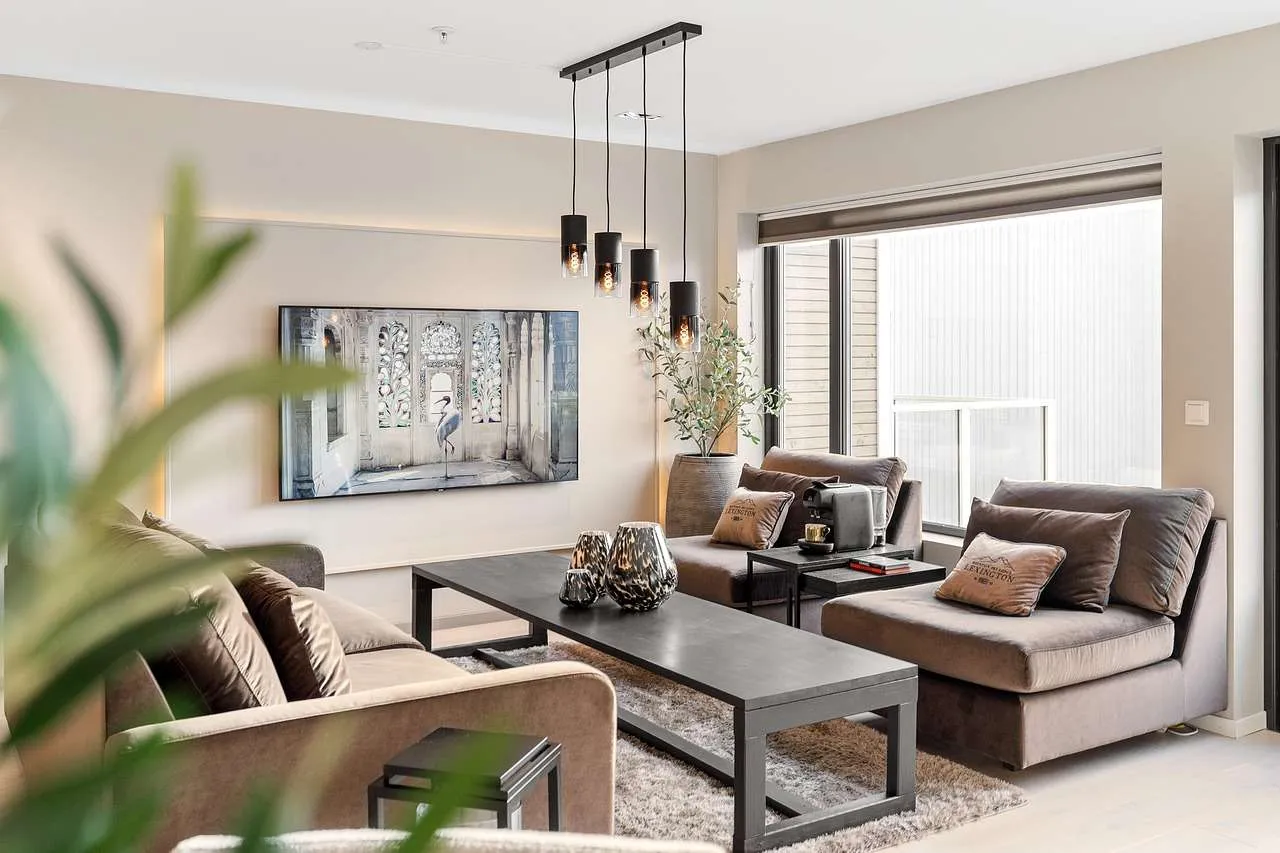
Home window tinting has become a popular upgrade for residential properties, offering tangible benefits from energy savings to enhanced privacy. By applying a thin film to existing window panes, homeowners can control heat, glare, and UV exposure while protecting interiors from fading. This article explains what home window tinting is, how it works, the different tint options, and how to choose the right solution for your climate and budget, with practical guidance for trustworthy, EEAT-aligned decision making.
What is Home Window Tinting?
Home window tinting refers to applying a thin film to interior or exterior panes to reduce solar heat gain, block UV rays, and improve comfort. Modern residential films are designed to be clear or lightly tinted while meeting energy and privacy goals. When installed by a qualified professional, the film adheres to the glass with a durable laminate that resists cracking and bubbling.
Benefits of Home Window Tinting
- Energy savings: Reducing heat transfer lowers cooling loads in summer and can help with heating efficiency in winter if the film reduces convection.
- UV protection: Most films block 99%+ of UVA/UVB, protecting furniture, flooring, and skin exposure.
- Glare reduction: Softer light improves comfort for rooms with screens or workspaces.
- Privacy and aesthetics: Tinted windows offer daytime privacy without sacrificing natural light; many homeowners also prefer the sleek look.
- Safety and security: Some films hold glass together if the window is broken, reducing the risk of sharp shards.
How Window Tint Works
Window films are designed to absorb, reflect, or dissipate solar energy. Different types use different technologies—dyed, metalized, ceramic, carbon, or hybrid layers—to balance heat rejection, UV protection, and visibility. The film is typically applied to the interior surface of the existing pane, creating a protective barrier that lasts for years when installed correctly.
UV Rejection and Heat Control
Ultraviolet rejection protects interiors from fading and skin exposure, while heat rejection reduces temperature swings. The effectiveness depends on the film’s shade, the number of layers, and the glass type. A professional installer can suggest a shade that preserves view while maximizing energy savings.
Choosing the Right Tint for Your Home
Selecting the right home window tint involves climate, orientation, room use, and personal preference. Consider daylight transmission (how much you still see through the film), the level of privacy you need, and the aesthetic you want from a tinted look. Weather, humidity, and building codes can influence the life and performance of the film.
Types of Residential Window Tint
Each tint type offers different benefits. The table below summarizes common options and typical trade-offs to help you compare quickly.
| Tint Type | Pros | Cons | Typical Cost | Best For |
|---|---|---|---|---|
| Dyed | Low cost, good color; improves privacy | Can fade over time; moderate heat control | $5-$8 per sq ft | Budget projects, privacy |
| Metalized | Strong heat resistance; glare reduction | Possible interference with electronics; reflection | $6-$12 per sq ft | Hot climates, glare control |
| Ceramic | Excellent heat rejection; clear view | Higher cost | $8-$15 per sq ft | Energy efficiency, high-quality look |
| Carbon | Good heat control; non-reflective | Moderate cost | $7-$12 per sq ft | |
| Hybrid | Balanced optics and heat control | Not as strong as ceramic | $6-$11 per sq ft | All-around performance |
DIY vs Professional Installation
While DIY tint kits exist, home window tinting is best performed by trained installers who ensure a bubble-free finish, proper edge sealing, and a warranty. A pro will assess glass tint compatibility with your frames, confirm moisture barriers, and test for proper adhesion. Professional installation also minimizes damage risk during removal or replacement years later.
Maintenance, Warranties, and Longevity
Most residential films require minimal maintenance: clean with non-ammonia cleaners and soft cloths. Avoid abrasives that could scratch the film. Warranties vary by brand and installer, typically covering peeling, bubbling, or delamination for 10–15 years. Record the film type, installation date, and warranty terms; keep receipts for future service or replacement.
Legal considerations and best practices
Check local building codes and HOA guidelines; while home window tinting generally faces fewer restrictions than vehicle tinting, some jurisdictions require specific UV or safety ratings for glazing used in living spaces. Ask your installer for energy performance data and product certifications (eg NFRC or similar). A credible installer will provide a written proposal, expected energy savings, and a maintenance plan.
Conclusion
Conclusion, home window tinting delivers comfort, energy savings, UV protection, and long-term value when paired with the right tint type and a professional installation.